
Dark spots can remain visible even after you start using brightening serums and skincare creams. One reason is repeated sun exposure. Without proper protection, UV rays can make existing marks look darker and contribute to uneven skin tone.
That is why choosing the Best sunscreen for pigmentation should be an important part of your daily skincare routine. The right formula does more than protect your skin from sunburn. It helps reduce the effect of daily UV exposure that can make pigmentation more noticeable.
Why Sun Protection Matters for Uneven Skin Tone
Pigmentation develops when melanin production increases in certain areas of the skin. Hormonal changes, acne, irritation, genetics, and sun exposure can all contribute to this concern.
Sunlight is particularly important because ultraviolet rays can stimulate melanin production. This may make dark spots, acne marks, and patches more noticeable over time.
A consistent sunscreen habit helps protect your skin while other skincare products work on improving its appearance. It is not a quick solution for existing pigmentation, but it helps prevent avoidable sun-related darkening.
Features to Check Before Choosing a Sunscreen
Not every sunscreen offers the same level of protection or feels comfortable on every skin type. Consider these features before selecting one.
Strong SPF Protection
SPF measures protection against UVB rays, which are mainly responsible for sunburn. An SPF 50 sunscreen is a practical choice for people who spend time outdoors or live in areas with strong sunlight.
However, SPF alone does not tell the complete story. UVA protection is also important when pigmentation is a concern.
PA++++ UVA Protection
UVA rays contribute to tanning, premature skin ageing, and uneven skin tone. Look for a sunscreen with a PA++++ rating for a high level of UVA protection.
Using a product that protects against both UVA and UVB rays makes your daily sun-care routine more complete.
A Comfortable Formula Without White Cast
A sunscreen should feel comfortable after application. If it leaves a noticeable white layer, feels heavy, or makes your face excessively greasy, you may avoid using it regularly.
People with medium and deeper Indian skin tones may prefer formulas that blend naturally without leaving a chalky appearance.
Skin-Friendly Ingredients
Some sunscreens include additional ingredients that support a more even-looking complexion.
- Alpha Arbutin: Commonly used in skincare products to improve the appearance of uneven skin tone.
- Niacinamide: Supports the skin barrier and helps improve the appearance of dark spots.
- Vitamin C: An antioxidant used in skincare routines to brighten dull-looking skin.
- Tyrostat: A brightening active used in some formulations targeting the appearance of dark spots.
Remember that these ingredients do not replace UV filters. Sun protection remains the primary purpose of sunscreen.
How to Match Sunscreen With Your Skin Type
Your skin type can influence which formula you enjoy wearing every day.
Oily skin: Choose a lightweight formula that does not leave a heavy or sticky finish.
Dry skin: A moisturising sunscreen can help reduce the need for multiple morning skincare layers.
Combination skin: Look for a balanced texture that feels comfortable across both oily and dry areas.
Sensitive skin: Prefer a gentle formula and perform a patch test before applying a new product across your face.
The Best sunscreen for pigmentation is not necessarily the most expensive option. It is a product that provides suitable protection and fits comfortably into your routine.
How to Use Sunscreen Correctly
Even a high-protection sunscreen may not perform as expected if you apply too little or forget to reapply it.
Follow these simple steps:
- Apply sunscreen as the final step of your morning skincare routine.
- Use an adequate amount to cover your face, ears, and neck.
- Apply it around 15 minutes before outdoor exposure when directed by the product label.
- Reapply approximately every two hours when spending extended time outdoors.
- Reapply after swimming, sweating, or wiping your face.
- Continue using sunscreen on cloudy days because UV exposure does not disappear with cloud cover.
Consistency matters more than occasionally applying a large amount.
Adding Tivora BrightShield to Your Routine
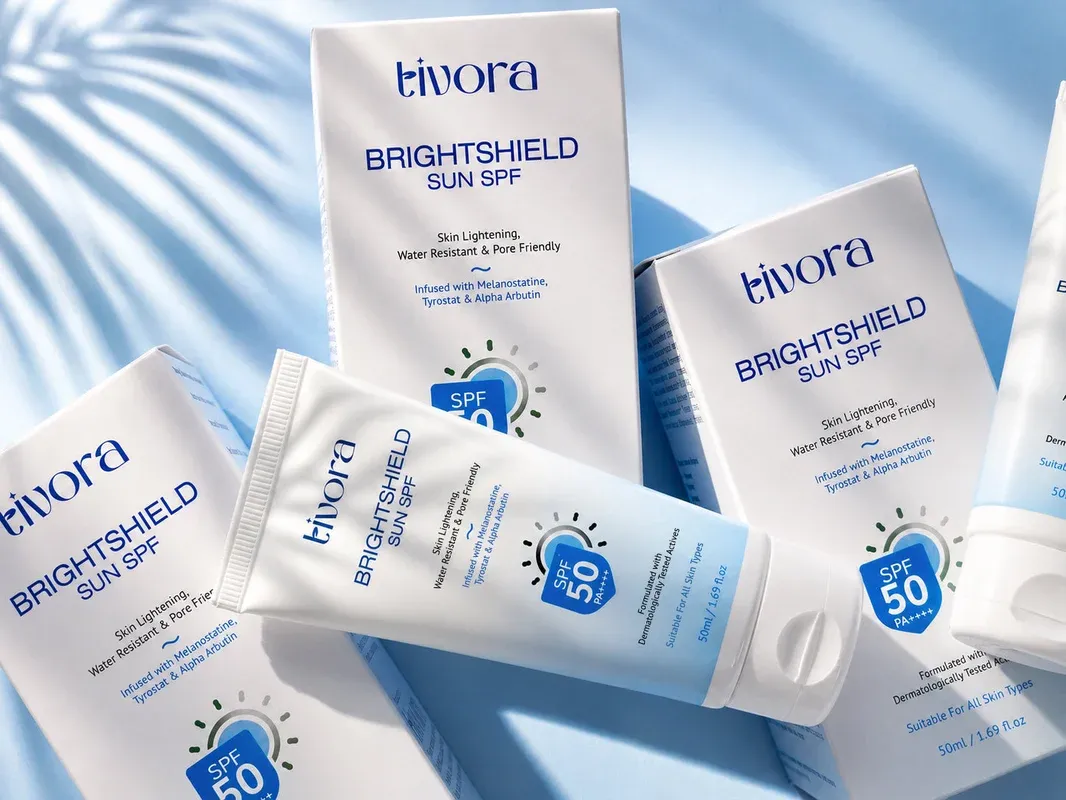
Tivora BrightShield SPF 50 PA++++ is a daily sunscreen option designed for pigmentation-prone Indian skin. Its formula combines UV protection with Alpha Arbutin, Tyrostat, and Melanostatin.
The lightweight cream is designed to blend without leaving a visible white cast. This can make it a convenient option for people who want sun protection as part of their regular morning skincare routine.
Apply it evenly to the face and neck, following the product instructions. As with other skincare products, results in the appearance of dark spots can vary depending on the individual and consistency of use.
Common Habits That Can Work Against Your Routine
A good sunscreen choice is only one part of effective sun care. Avoid habits that can interfere with your progress.
- Skipping sunscreen when the weather is cloudy.
- Applying sunscreen only to the face while leaving the neck exposed.
- Using too little product.
- Forgetting to reapply during long outdoor activities.
- Scrubbing dark spots aggressively.
- Changing skincare products too frequently.
If pigmentation spreads suddenly, changes noticeably, or does not improve despite consistent care, consult a qualified dermatologist.
Final Thoughts
Choosing the Best sunscreen for pigmentation means looking beyond the SPF number. UVA protection, a comfortable texture, suitable ingredients, and regular application all matter.
Make sunscreen a daily habit instead of using it only during summer or outdoor trips. With consistent protection and a suitable skincare routine, you can help prevent additional sun-related darkening and support a more even-looking complexion over time.
